Home / Islands as a Focal Point
Islands as a Focal Point
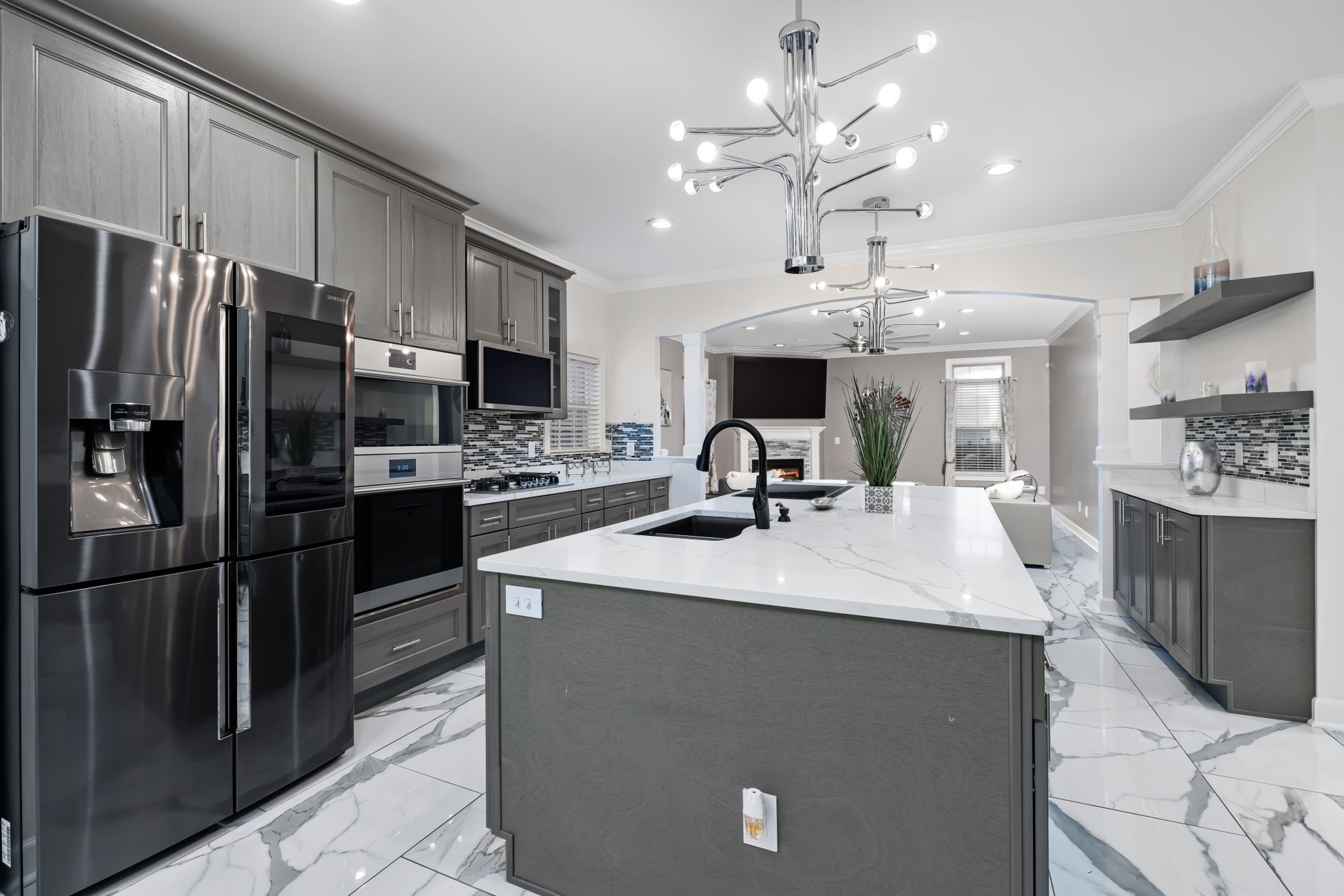
The Role of the Kitchen Island in Modern Interior Design
The kitchen serves as the central hub of a contemporary home. Within this space, the kitchen island often functions as the primary anchor. It is more than just an extra surface for food preparation. It acts as a visual weight that directs the eye and defines the flow of the room. When considering how an island reads to potential buyers, the focus often shifts from mere utility to aesthetic impact. A well placed island can bridge the gap between the cooking zone and the living area, creating a seamless transition in open concept floor plans.
Homeowners often view the island as a multifunctional tool. It serves as a breakfast bar, a workstation, and a gathering spot. Because it sits in the middle of the room, it is often the first thing people notice when entering the kitchen. The choice of materials, the scale of the base, and the height of the surface all contribute to how the entire room feels. A massive island can make a large kitchen feel grounded, while a smaller island can make a cramped space feel more organized.
Material Selection and Visual Weight
The material chosen for the countertop is perhaps the most significant factor in how an island presents itself. The surface dictates the color palette and the texture of the entire kitchen. Different materials offer various visual effects that influence buyer perception.
Granite is a traditional choice that offers natural patterns and unique veining. Because every slab is different, a granite island provides a sense of individuality. The organic movement within the stone can serve as a piece of art. However, natural stone requires maintenance. Using a stone sealer is a necessary step to protect the surface from stains and moisture. This requirement is a practical consideration for anyone managing a household.
Quartz is another popular option due to its consistency. Unlike natural stone, quartz is an engineered stone. This means the patterns are controlled and predictable. For a homeowner who wants a specific look without the variability of nature, quartz provides a reliable solution. It is highly resistant to scratches and stains, making it a practical choice for high traffic areas. The ability to achieve a uniform look across multiple surfaces can make a kitchen feel cohesive and intentional.
Solid surface material offers a different aesthetic altogether. These materials are often nonporous and can be fabricated with very few visible seams. This creates a sleek, continuous look that appeals to those who prefer minimalist or modern designs. The seamless nature of solid surface material can make an island appear as a single, monolithic block, which adds a sense of modern sophistication to the room.
For those seeking warmth, butcher block provides a distinct textural contrast. Wood surfaces bring an organic, cozy feeling to a kitchen. They pair well with industrial or farmhouse styles. While wood requires more care than stone, such as regular oiling to prevent drying, it offers a tactile quality that harder materials lack. A butcher block island can act as a warm counterpoint to cold stone or metal surfaces elsewhere in the kitchen.
Design Elements and Spatial Flow
Beyond the surface material, the structure of the island determines its functionality and its relationship to the surrounding kitchen cabinets. The island must harmonize with the existing cabinetry to avoid looking like an afterthought. If the island features a different color or style than the perimeter cabinets, it becomes a statement piece. This can be a deliberate design choice to create a focal point, or it can be a way to break up a large expanse of monochromatic cabinetry.
The height of the island is another critical factor. Standard counter height is common for food preparation, but many designs incorporate a raised tier for seating. A raised bar allows for a visual separation between the cooking area and the dining area. This is particularly useful in homes where the kitchen opens directly into a living room. It provides a way to hide the mess of food preparation from guests seated at the bar.
The footprint of the island must respect the walking paths around it. There must be enough clearance for people to move freely, open dishwasher doors, and access drawers. If an island is too large, it creates bottlenecks. If it is too small, it may look lost in the space. The goal is to achieve a balance where the island feels substantial but does not impede the natural movement of the household.
Technical Aspects of Fabrication
The precision of an island's design is heavily dependent on the technology used during the fabrication process. High quality edges and complex shapes require advanced tools. Water jet cutters are often used to create intricate shapes or to cut precise holes for sinks and cooktops. This technology allows for extreme accuracy, ensuring that the stone or solid surface fits perfectly against the cabinetry.
When working with hard materials like granite or quartz, diamond blade saws are essential for clean, straight cuts. The quality of these cuts determines the professional finish of the edges. A smooth, polished edge can elevate the look of an island, making it appear more luxurious. Poorly executed edges can detract from the overall quality of the kitchen, regardless of how expensive the material might be.
How Buyers Interpret Island Design
When people walk through a home, they often use the kitchen to gauge the overall quality and thought put into the property. An island is a primary indicator of this effort. A buyer looks at several specific details to form an opinion.
- Durability and Maintenance: Buyers assess whether the materials are practical for daily life. A stone surface that looks well maintained suggests a home that has been cared for.
- Functionality: An island with integrated outlets, a sink, or a cooktop suggests a kitchen designed for a serious cook. The presence of ample seating indicates a space designed for social interaction.
- Cohesion: A buyer looks to see if the island feels like part of a unified design. If the island clashes with the kitchen cabinets or the flooring, it can create a sense of visual clutter.
- Scale: The size of the island should match the scale of the room. An oversized island in a small kitchen can feel overwhelming, while a tiny island in a massive kitchen can feel inadequate.
Common Mistakes to Avoid
Creating an island as a focal point requires careful planning. Several common errors can undermine the impact of a well designed kitchen.
One mistake is neglecting the lighting. Since the island is a central feature, it needs dedicated illumination. Pendant lights hanging over an island are a common way to draw the eye and provide task lighting. Without proper lighting, an island can feel dark and disconnected from the rest of the room.
Another error is choosing a material that is too high maintenance for the intended lifestyle. While a certain type of stone might look beautiful in a showroom, if it requires constant sealing and specialized cleaning, it may become a burden for a busy household. Practicality should never be sacrificed entirely for the sake of aesthetics.
Finally, failing to consider the storage needs can make an island feel cluttered. An island should provide extra storage through drawers or cabinets in the base. If the island is used solely for seating or decoration, it misses an opportunity to improve the organization of the kitchen. A successful island combines beauty with the ability to hide clutter and store essential tools.
The Long Term Value of a Centered Design
An island is a permanent fixture that defines the character of a kitchen. By selecting high quality materials like quartz or granite, ensuring proper fabrication with precision tools, and maintaining a balanced scale, a homeowner creates a space that is both functional and visually striking. Whether the goal is a modern minimalist look with solid surface material or a warm, traditional feel with butcher block, the island remains the most powerful tool for defining the kitchen's identity. When the island is designed with intention, it ceases to be just a piece of furniture and becomes the heart of the home.