Home / Quartz or Granite for a Rancho Cucamonga Kitchen Upgrade
Quartz or Granite for a Rancho Cucamonga Kitchen Upgrade
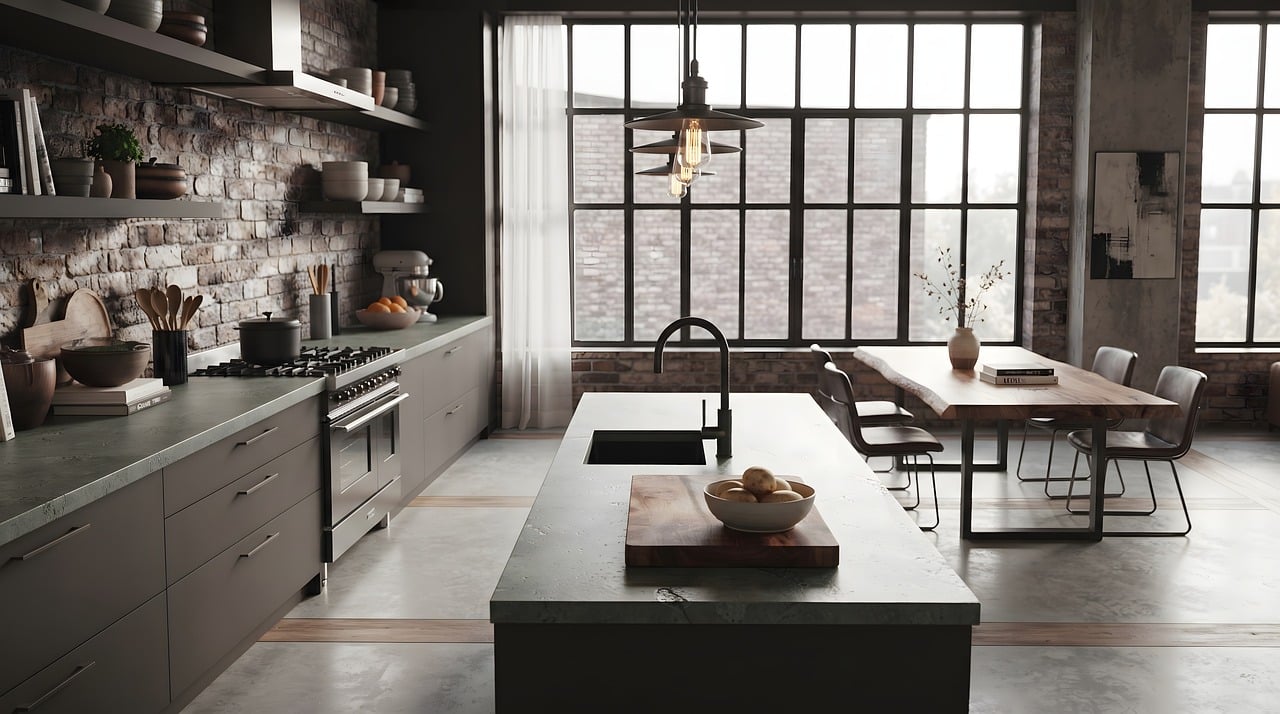
Understanding Countertop Options for Rancho Cucamonga Kitchens
Selecting new countertops is a significant decision for homeowners in the Inland Empire. Whether you are renovating a classic tract home in Alta Loma built during the 1980s or updating a newer residence in Etiwanda, the choice between quartz and granite impacts the daily functionality and long term appearance of the kitchen. Many homes in the Cucamonga Valley feature original builder grade counters or dated tile surfaces that may no longer meet the needs of modern families. When upgrading these surfaces, the primary goal is often to find a material that withstands the local climate and the demands of a busy household.
The climate in San Bernardino County plays a role in how materials behave inside a home. With hot dry summers and the occasional influence of the Santa Ana winds, indoor temperature fluctuations can occur. While countertops are generally stable, the way they interact with heat from cooking and the presence of hard water in the local supply are important factors to consider. Both quartz and granite offer distinct advantages and drawbacks regarding maintenance, durability, and aesthetic appeal.
The Characteristics of Natural Granite
Granite is a natural stone quarried from the earth. Because it is formed through geological processes, every slab is unique. No two pieces of granite are exactly alike, which provides a level of character that manufactured materials cannot replicate. For homeowners who desire a one of a kind look, granite offers various patterns, colors, and textures that reflect the natural beauty found in the nearby San Gabriel Mountains.
Granite is highly resistant to heat. This makes it a practical choice for kitchens where hot pots or pans might be placed directly on the surface. However, because granite is a porous natural stone, it requires specific care to maintain its integrity. The microscopic pores in the stone can absorb liquids, which may lead to staining if spills are not addressed promptly. To prevent this, a stone sealer must be applied periodically. This sealing process creates a barrier that helps repel liquids and protects the stone from deep stains.
Maintenance for granite involves regular cleaning with mild soap and water. It is important to avoid acidic cleaners that might etch the surface or degrade the sealer. In areas of the Inland Empire where hard water is a common issue, mineral deposits might build up on the granite surface. Homeowners should be prepared to occasionally deep clean the stone to remove any cloudy buildup caused by local water minerals.
The Features of Engineered Quartz
Quartz, often referred to as engineered stone, is a man made material. It is created by combining crushed natural quartz minerals with resins and pigments. This manufacturing process allows for a high level of consistency. If you are looking for a specific color or a uniform pattern across large kitchen islands or long stretches of counter space, quartz provides a predictable result that natural stone cannot guarantee.
One of the most significant benefits of quartz is its non porous nature. Because the resin fills the gaps between the stone particles, there are no pores for liquids or bacteria to penetrate. This makes quartz highly resistant to staining and much easier to maintain than granite. You do not need to apply a stone sealer to quartz, which simplifies the long term upkeep of the kitchen. This characteristic is particularly helpful for families who frequently use the kitchen for meal preparation and heavy cleaning.
While quartz is incredibly durable and scratch resistant, it has different limitations regarding heat compared to granite. The resins used in the manufacturing process can be sensitive to extreme temperatures. Placing a boiling hot pot directly onto a quartz surface can potentially cause damage or discoloration. For this reason, the use of trivets or heat pads is a necessary habit when working with engineered stone. This distinction is vital for households that prioritize convenience over strict heat management protocols.
Comparing Durability and Daily Use
When deciding between these two materials, consider the specific ways your kitchen is used. The durability of a countertop is measured by its ability to resist scratches, chips, and stains. Both granite and quartz perform well in these areas, but they fail in different ways.
- Scratch Resistance: Both materials are very hard. Quartz is engineered to be extremely tough, while granite is a naturally hard mineral. Both can withstand most standard kitchen activities.
- Chip Resistance: Granite can chip if a heavy object is dropped on an edge, particularly if the stone is thin. Quartz is also susceptible to chipping on the edges, though the resin provides a degree of flexibility that can sometimes absorb minor impacts.
- Stain Resistance: Quartz is the clear winner for stain resistance due to its non porous composition. Granite requires consistent sealing to prevent stains from setting into the stone.
- Heat Resistance: Granite is superior for heat resistance. It can handle higher temperatures without the risk of structural or aesthetic damage. Quartz requires caution when dealing with hot cookware.
Aesthetic Considerations and Design Styles
The visual impact of a countertop can change the entire feel of a home. In Rancho Cucamonga, home styles vary from mid century builds to contemporary estates. The choice of stone should complement the existing kitchen cabinets and overall design language of the room.
Granite often lends itself to traditional, rustic, or organic design themes. The natural veining and speckling can serve as a focal point in a kitchen. It works well in homes that feature warm wood tones or earthy color palettes. Because each slab is unique, granite can make a kitchen feel custom and high end, even in older homes that have undergone significant renovations.
Quartz is highly versatile and fits well with modern, minimalist, or transitional designs. Because manufacturers can control the color and pattern, you can find quartz that mimics the look of marble or provides a sleek, solid color. This makes it an excellent choice for contemporary homes in Etiwanda that feature clean lines, light colored cabinetry, and neutral tones. If you want a seamless look across a large kitchen island, quartz offers the ability to match patterns more easily than natural stone.
Resale Appeal and Long Term Value
For many residents in the Cucamonga Valley, kitchen upgrades are an investment in the future value of the home. Both granite and quartz are considered premium materials that can enhance the marketability of a property. When a potential buyer views a home, high quality countertops are often one of the first things they notice.
Granite has long been a staple of high end real estate. Its natural origin is a selling point for many buyers who value authenticity and unique textures. It suggests a sense of permanence and luxury. On the other hand, quartz has seen a massive surge in popularity. Many modern buyers prefer the low maintenance aspect of engineered stone. They value the fact that they will not have to worry about sealing the counters or dealing with stains from spilled wine or juice.
In the context of the Inland Empire real estate market, having a modern, updated kitchen can help a home stand out. Whether you choose the natural elegance of granite or the consistent, easy to clean nature of quartz, both options are generally viewed as upgrades over the original laminate or tile surfaces found in many older Rancho Cucamonga homes.
Installation and Technical Aspects
The process of installing these countertops involves specialized equipment and expertise. Regardless of the material chosen, the fabrication process is precise. Professionals use water jet cutters to shape the slabs into the desired dimensions, ensuring a perfect fit around sinks, cooktops, and corners. For any cutting or shaping required on site, diamond blade saws are utilized to handle the hardness of the stone.
The installation process for granite often involves more attention to the underlying structure. Because granite is a heavy, natural material, the kitchen cabinets must be level and sturdy enough to support the weight. Similarly, quartz slabs are heavy and require careful handling during the installation process to avoid cracking the resin components.
When planning an upgrade, it is important to consider the following steps:
- Measurement: Accurate measurements are essential to ensure the stone fits the existing layout of the kitchen.
- Template Creation: A template is usually made to account for any irregularities in the walls or cabinets.
- Fabrication: The stone is cut and polished according to the template.
- Installation: The slabs are placed, leveled, and joined with specialized adhesives.
- Sealing: If granite is selected, the sealing process should be completed shortly after installation.
Summary of Selection Factors
Choosing between quartz and granite ultimately depends on your lifestyle and your aesthetic preferences. If you enjoy the idea of a unique, natural piece of art in your kitchen and do not mind the periodic task of sealing the stone, granite is an excellent choice. It provides unmatched heat resistance and a timeless look that complements many different styles of homes.
If you prefer a low maintenance lifestyle and want a surface that is easy to clean and highly resistant to stains, quartz is likely the better option. Its ability to provide a consistent look makes it ideal for modern designs and large, multi piece installations. While you must be careful with hot items, the convenience of a non porous surface is a significant advantage for busy families.
By considering the local climate, the specific needs of your household, and the long term goals for your home, you can make an informed decision that enhances both the beauty and the utility of your Rancho Cucamonga kitchen.